

Our Mission
Reducing School Waste
UNDP Goal Alignment
We transform daily organic kitchen scraps into nutrient-rich compost, utilizing biology-driven microbial methods to significantly lower our school's environmental footprint and waste output.
Our project directly aligns with Global Goals for climate action and sustainable communities, proving that student-led biological innovation can create real-world solutions for ASEAN climates.
[1]
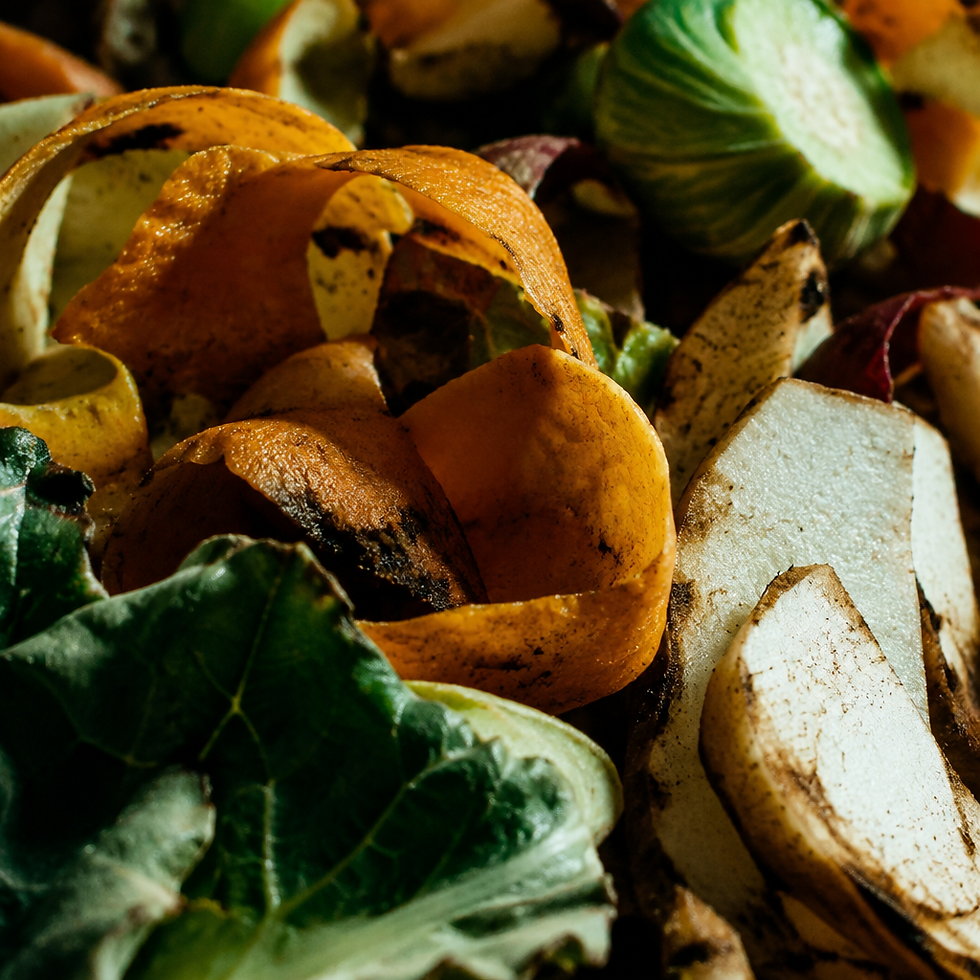
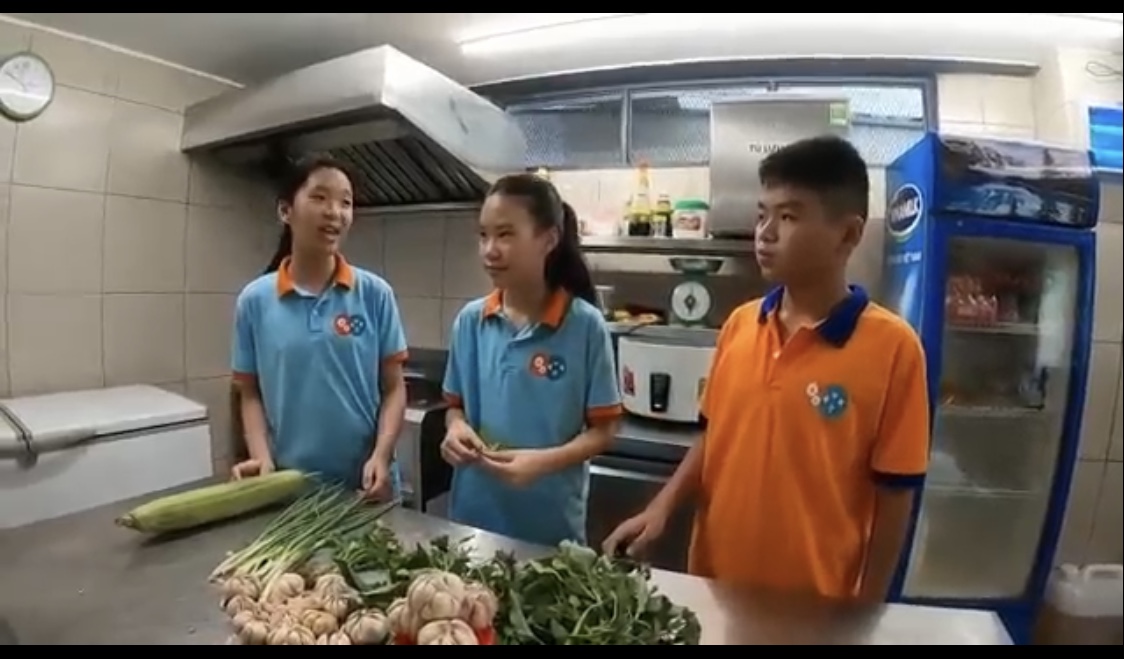
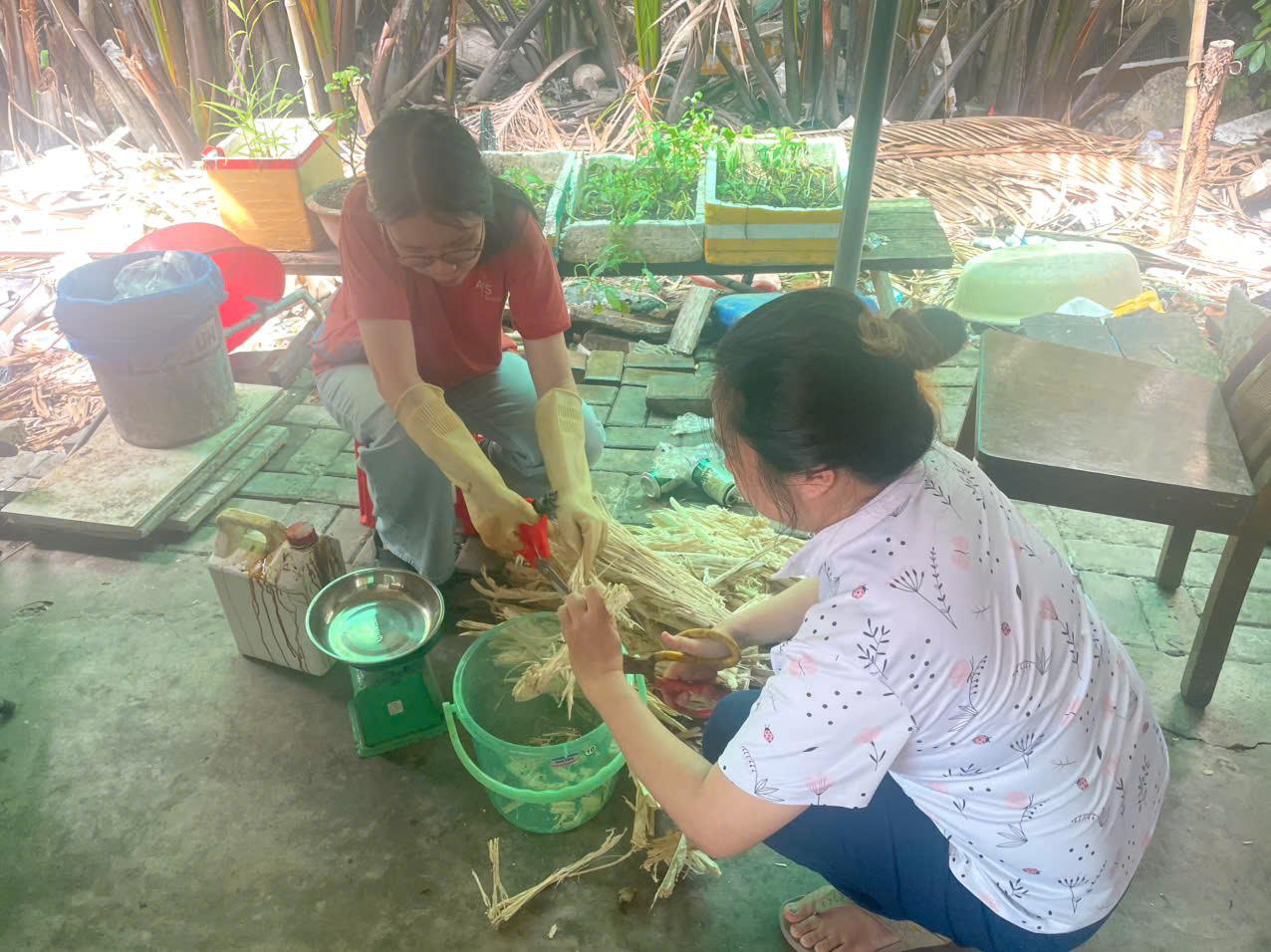
Waste Collection
Gathering organic scraps from the school kitchen to initiate the biological recycling cycle.

[2]
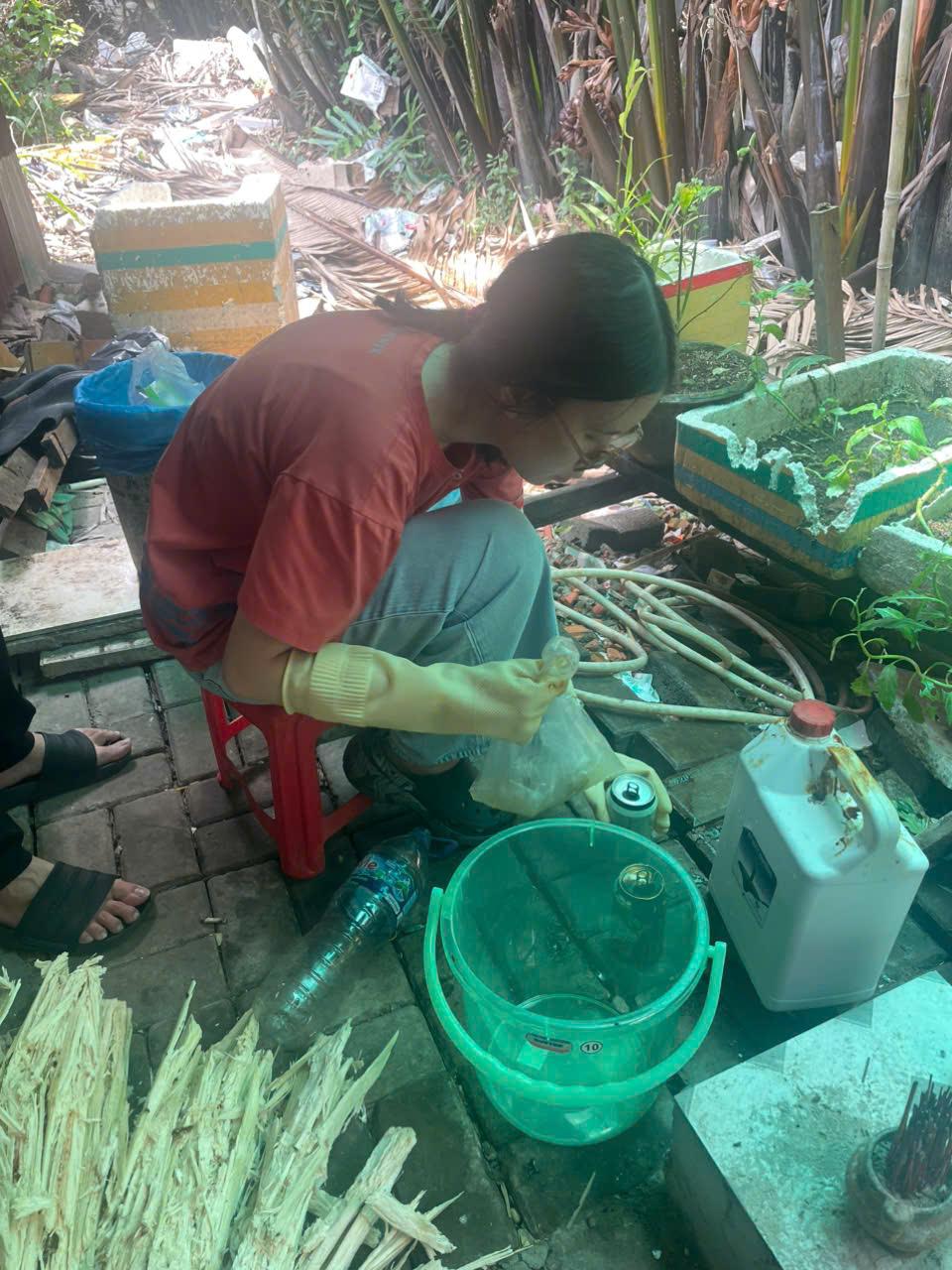
Acidic Activation
Infusing scraps with local pickle water to introduce beneficial lactic acid bacteria for breakdown.

[3]
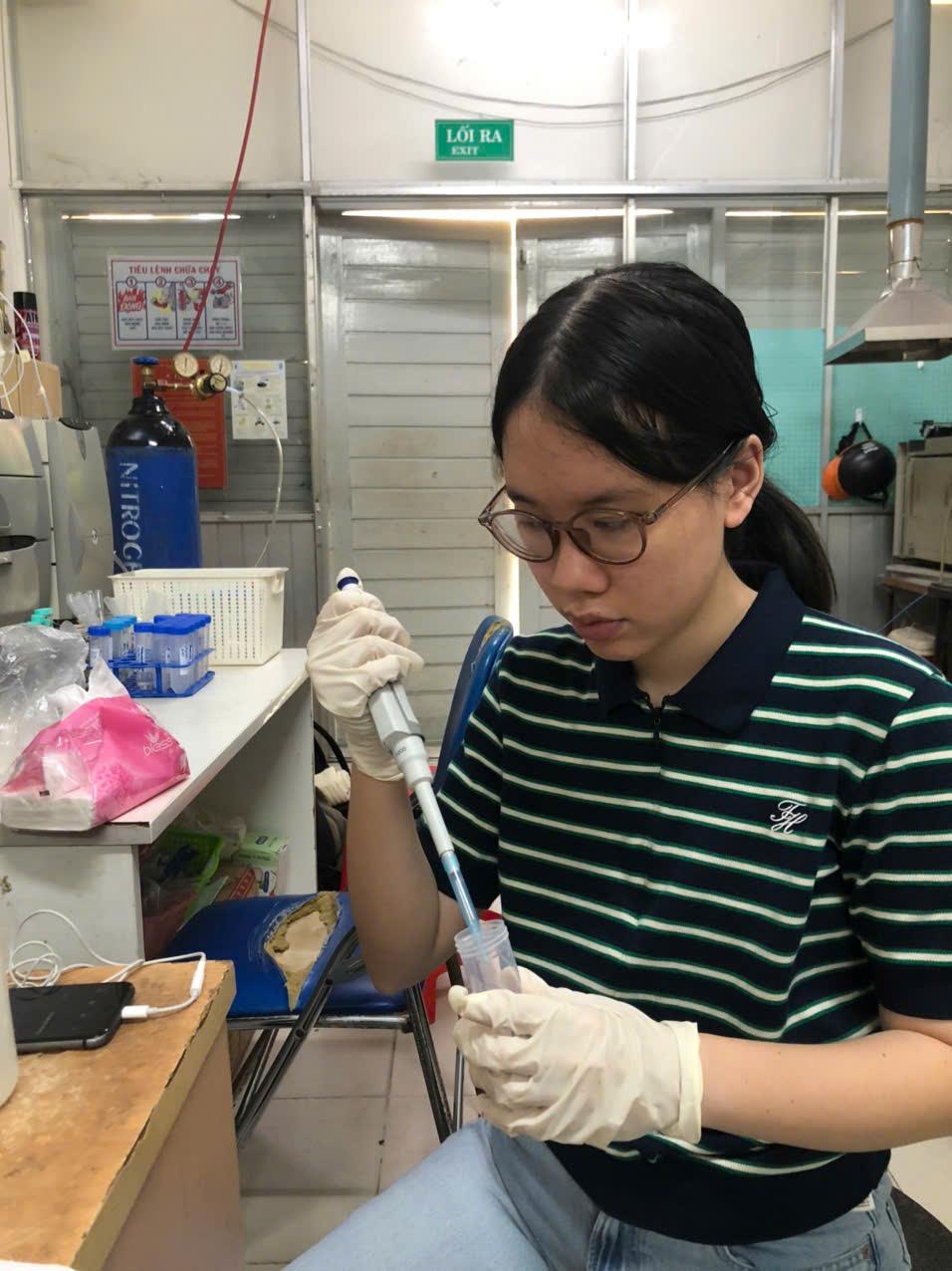
Microbial Breakdown
Utilizing Vietnam's tropical warmth to accelerate fermentation within specifically aerobic composting bins.

[4]
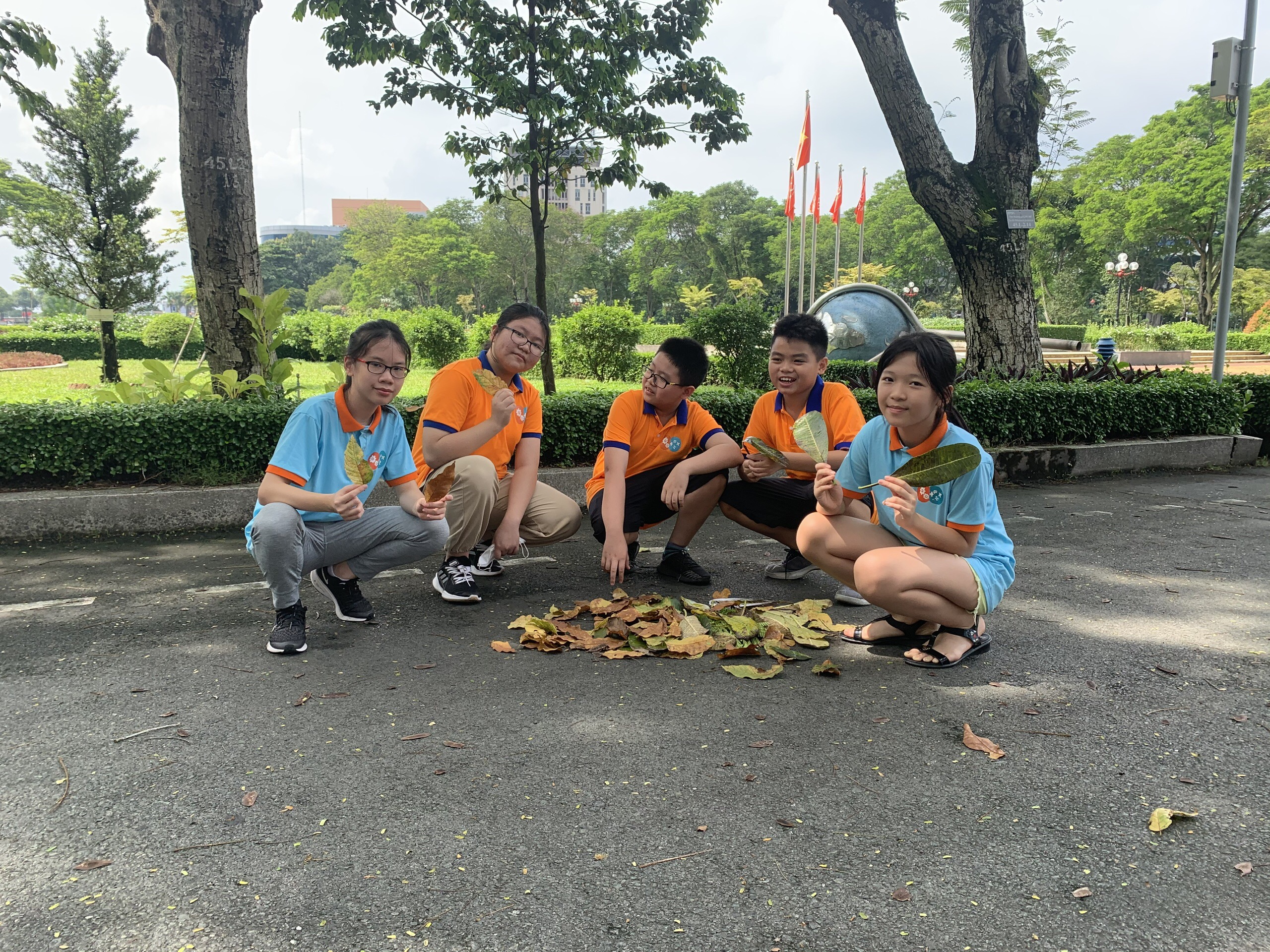
Soil Transformation
Harvesting nutrient-dense compost to nourish school gardens and close the sustainability loop.


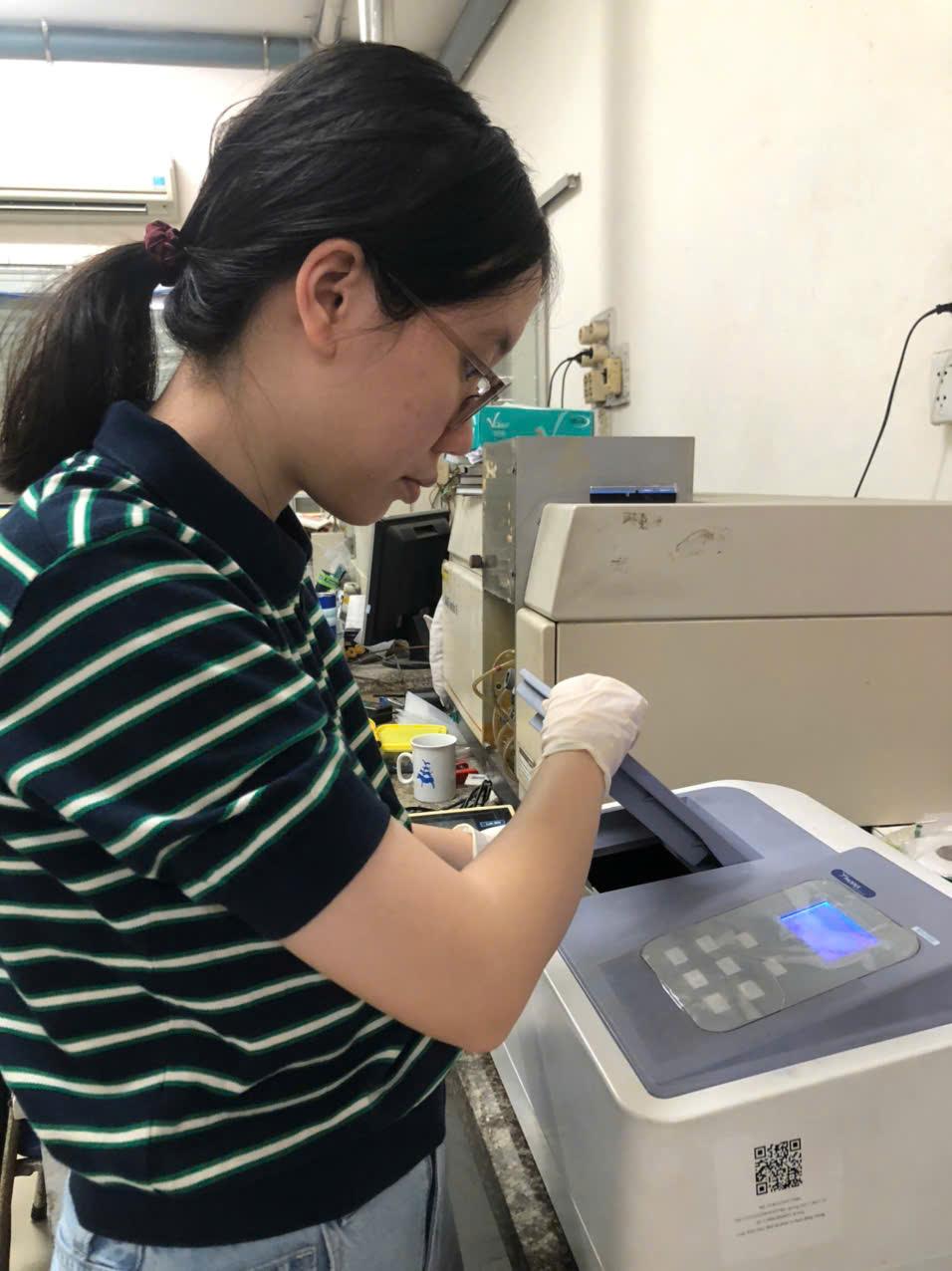
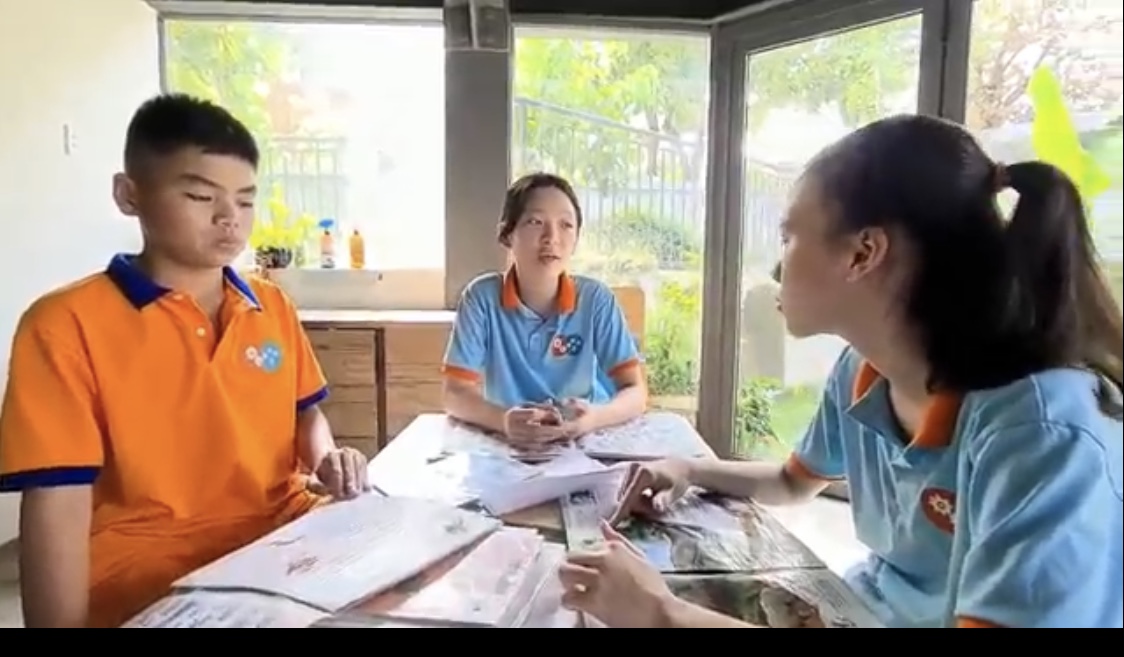
Project Results
Showcasing the technical transition from discarded kitchen scraps to high-quality microbial compost, optimized for climate resilience in the ASEAN region.

Biology & Local Climate
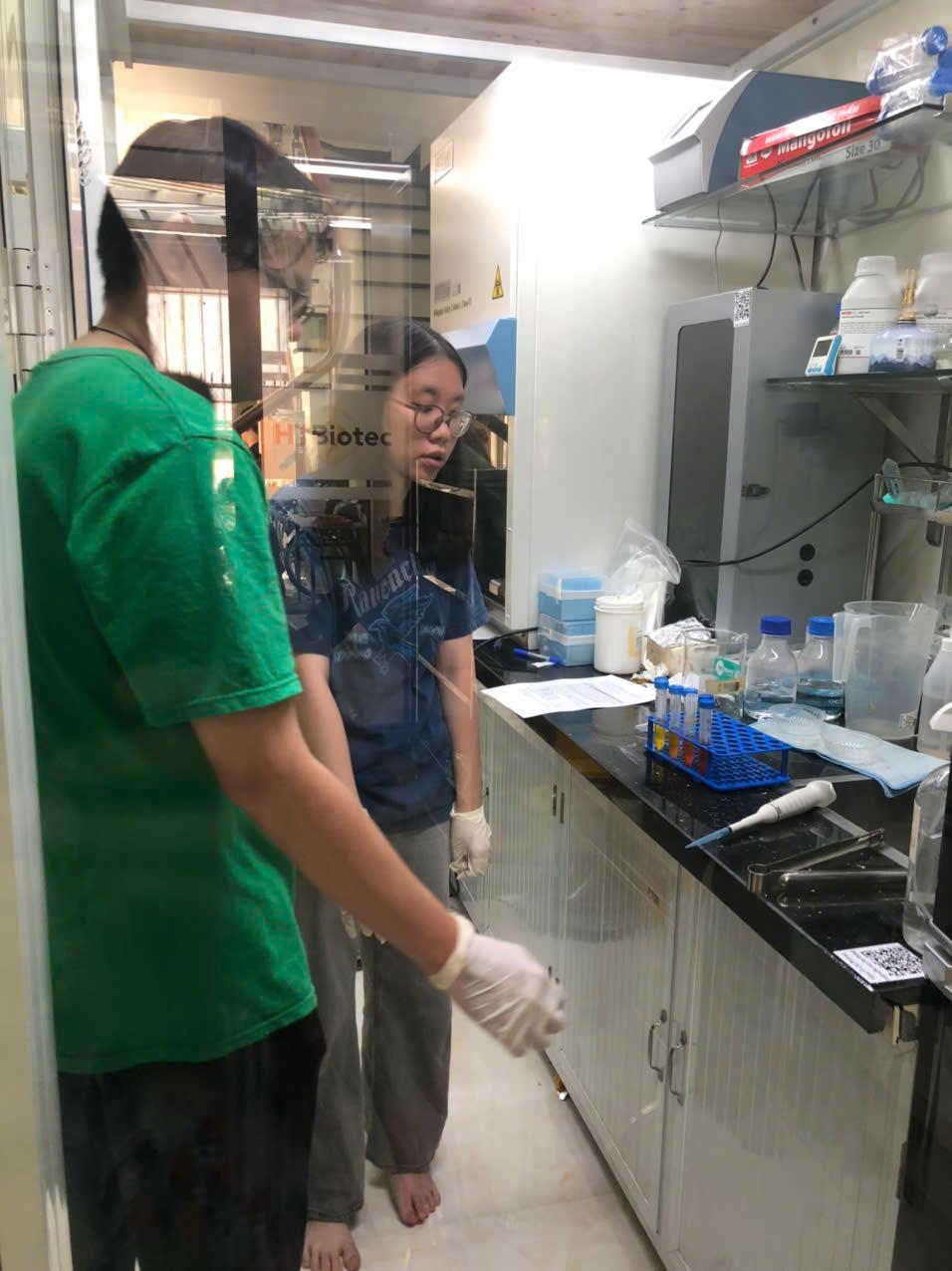
Our student-led research identifies how local pickle-water cultures accelerate organic breakdown in humid ASEAN climates. By monitoring microbial metabolism, we've adapted the traditional composting cycle to thrive in tropical school environments.
The biological findings highlight a 30% increase in nutrient retention when salinity is precisely balanced against ambient humidity. This technical adaptation ensures the project remains efficient, transforming simple kitchen scraps into potent bio-fertilizer within weeks.