
Students Lead Composting with Pickle Juice Sustainability Project

In an era where sustainability is more crucial than ever, students are stepping up to lead innovative projects that not only educate but also inspire their communities. One such initiative is the Pickle Juice Sustainability Project, where students are harnessing the power of composting to reduce waste and promote environmental awareness. This blog post explores how this project came to life, its impact on the community, and the valuable lessons learned along the way.
The Genesis of the Project
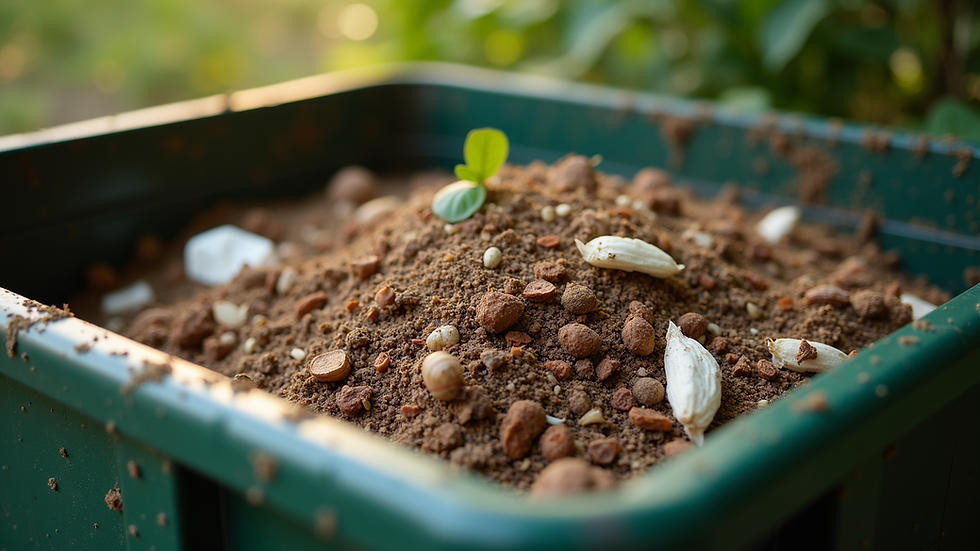
The Pickle Juice Sustainability Project began as a simple idea during a school assembly focused on environmental issues. Students were encouraged to think of ways to reduce waste in their school and community. After brainstorming, a group of passionate students proposed a composting initiative that would not only recycle organic waste but also utilize pickle juice as a natural compost accelerator.
Why Pickle Juice?
Pickle juice is often discarded after the pickles are consumed, leading to unnecessary waste. However, it contains beneficial nutrients such as vinegar, salt, and spices, which can enhance the composting process. By incorporating pickle juice into their composting efforts, students aimed to demonstrate how everyday items can be repurposed for environmental benefit.
Setting Up the Composting System
Gathering Support
To kick off the project, students reached out to local businesses and community members for support. They organized meetings to explain their vision and sought donations of compost bins, organic waste, and, of course, pickle juice. The response was overwhelmingly positive, with many local restaurants and grocery stores eager to contribute.
Creating a Composting Plan
The students developed a comprehensive composting plan that included:
Collection Schedule: Establishing regular pick-up times for organic waste from participating businesses.
Composting Education: Hosting workshops to educate fellow students and community members about composting benefits and techniques.
Monitoring Progress: Setting up a system to track the composting process and measure the impact on waste reduction.
Implementation and Challenges
Launching the Project
With everything in place, the students launched the Pickle Juice Sustainability Project. They set up compost bins in strategic locations around the school and community, making it easy for people to contribute their organic waste. The students also created informative flyers to explain the project and encourage participation.
Overcoming Obstacles
Despite the excitement, the project faced several challenges:
Awareness: Initially, many community members were unaware of the benefits of composting. The students organized informational sessions to raise awareness and encourage participation.
Logistics: Coordinating waste collection and ensuring the compost bins were regularly emptied required careful planning and teamwork.
Maintaining Interest: Keeping the momentum going was crucial. The students implemented fun activities, such as composting contests and educational games, to engage their peers.
The Impact of the Project
Environmental Benefits
The Pickle Juice Sustainability Project has made a significant impact on waste reduction in the community. By diverting organic waste from landfills, the students have contributed to a healthier environment. The compost produced is rich in nutrients, which can be used to enrich local gardens and parks.
Educational Outcomes
Beyond environmental benefits, the project has provided valuable learning experiences for the students involved. They have developed skills in project management, teamwork, and public speaking. Additionally, they have gained a deeper understanding of sustainability and its importance in today’s world.
Community Engagement
The project has fostered a sense of community among participants. Local businesses, schools, and residents have come together to support a common goal. The students have become advocates for sustainability, inspiring others to take action in their own lives.
Lessons Learned
The Power of Collaboration
One of the key takeaways from the Pickle Juice Sustainability Project is the importance of collaboration. By working together with local businesses and community members, the students were able to amplify their impact and create a more sustainable future.
Creativity in Problem-Solving
The project also highlighted the value of creativity in problem-solving. By thinking outside the box and using pickle juice as a compost accelerator, the students demonstrated that innovative solutions can come from everyday items.
The Importance of Education
Education played a crucial role in the project’s success. By sharing knowledge about composting and sustainability, the students empowered others to make informed choices about waste management.
Future Plans
Expanding the Project
Encouraged by their success, the students are now looking to expand the Pickle Juice Sustainability Project. They plan to:
Increase Participation: Reach out to more local businesses and schools to join the composting initiative.
Host Workshops: Organize more educational workshops to teach community members about composting and sustainability practices.
Develop Partnerships: Collaborate with environmental organizations to enhance their efforts and share resources.
Creating a Legacy
The students hope to create a lasting legacy through their project. By instilling a culture of sustainability in their community, they aim to inspire future generations to prioritize environmental stewardship.
Conclusion
The Pickle Juice Sustainability Project is a shining example of how students can lead the way in promoting sustainability and environmental awareness. Through their innovative approach to composting, they have not only reduced waste but also educated and engaged their community. As they look to the future, these young leaders are proving that with creativity, collaboration, and a commitment to sustainability, positive change is possible.
By embracing projects like this, we can all contribute to a healthier planet. Whether it’s through composting, recycling, or simply being mindful of our waste, every small action counts. Let’s support our youth in their efforts to create a sustainable future for all.
Comments